
The Big Shrink Assumption
When most people think of retail shrink, they immediately think of shoplifting.
But the surprising reality is that a significant portion of retail shrink happens during everyday store operations:
- Unauthorized discounts – An employee applies excessive discounts to friends or customers without management approval.
- Excessive returns – Refunds are processed without merchandise being returned or without proper verification.
- Voided transactions – A sale is completed, then later voided, creating opportunities for cash discrepancies.
- Inventory adjustments – Inventory counts are changed without documentation, masking losses or errors.
- Weak employee controls – Staff members have access to functions they don’t need, such as refunds, price overrides, or inventory edits.
These activities may seem minor on their own, but over time they can quietly erode profit margins and create significant inventory discrepancies.
Technology helps, but technology alone isn’t the solution.
Retailers need a connected system that provides real-time visibility into store activity, clear employee permissions, and accountability for every transaction.
Let’s take a deeper dive into each of these 5 retail shrink controls.
Control #1: Role-Based Permissions
The Problem
Not every employee needs access to every function within your point-of-sale system.
When all staff members have permission to:
- Issue refunds
- Override pricing
- Apply discounts
- Void transactions
retailers create unnecessary risk and reduce accountability across the organization.
For example, a cashier may unintentionally issue an unauthorized discount, process a refund without proper approval, or void a transaction that should have been completed. Even when these actions are not malicious, they can lead to inventory discrepancies, lost revenue, and reduced visibility into store performance.
Over time, these seemingly small actions can quietly erode profit margins and make it difficult for managers to identify the source of shrink.
The Solution
Establish role-based permissions that align with each employee’s responsibilities.
Not only does this reduce risk, but it also creates a clear chain of accountability for sensitive transactions.
A typical permission structure may include:
Cashiers
- Process sales transactions
- View product information
- Access only the functions required to complete a sale
Managers
- Process refunds and exchanges
- Approve price overrides and discounts
- Review transaction activity and reports
Owners and Administrators
- Full system access
- Employee permission management
- Inventory adjustments and configuration settings
By limiting access to sensitive functions, retailers gain greater control over daily operations while reducing opportunities for errors, abuse, and unauthorized activity. Role-based permissions do more than reduce risk – they also reinforce operational best practices. When employees only see and access the functions relevant to their role, they are less likely to make accidental errors and more likely to follow established store procedures. Combined with proper onboarding and training, permission controls help create a more consistent checkout experience across the entire team.
Control #2: Monitor Voids and Refunds
The Problem
One refund is rarely a cause for concern. However, twenty refunds processed by the same employee in a short period may indicate a larger issue.
The same is true for excessive voids, exchanges, or discount overrides. Individually, these transactions may appear normal. When viewed as a pattern, they can reveal operational weaknesses, training gaps, policy violations, or even fraudulent activity.
Without visibility into these transactions, retailers may not recognize a problem until it has already impacted profitability.
The Solution
Retailers should regularly monitor:
- Voids
- Refunds
- Exchanges
- Discount overrides
Tracking these transactions in real time and reviewing trends on a weekly basis provide valuable insight into employee activity and store performance.
For example, if one employee consistently processes significantly more refunds than their peers, it may warrant additional training or management review. Likewise, an unusual increase in voided transactions or discount overrides could signal a breakdown in established procedures.
By identifying patterns early, retailers can address potential issues before they become costly losses. A modern POS system provides the visibility needed to monitor transaction activity, strengthen accountability, and support more informed business decisions.
Control #3: Review Exception Reports
Exception reports help retailers quickly spot activity that falls outside normal store patterns.
These reports can highlight:
- Excessive discounts
- Abnormal returns
- Inventory adjustments
- Unusual transaction behavior
Reviewed consistently, exception reports help managers focus on the transactions that deserve the most attention. Instead of digging through every sale, retailers can quickly identify patterns, investigate concerns, and address issues before they impact profitability.
Control #4: Maintain Audit Trails
If nobody knows who changed something, accountability becomes difficult.
Every action within your POS system should leave a record showing what was changed, who made the change, and when it occurred.
Audit trails help retailers track:
- Who processed refunds
- Who made inventory adjustments
- Who altered pricing
- When changes occurred
By maintaining a clear history of employee activity, retailers gain greater visibility into store operations and can more easily identify inconsistencies, process breakdowns, and transaction errors. When issues arise, audit trails provide the information needed to determine what happened and help prevent similar problems in the future.
Control #5: Connect Inventory and Checkout Data
A common challenge for many retailers is managing inventory and sales operations separately.
Unfortunately, disconnected systems create blind spots that make it difficult to identify the root causes of shrink.
When inventory, transactions, returns, and employee activity are connected within a unified POS system, retailers gain a more complete view of their business and can quickly identify:
- Shrink trends
- Inventory discrepancies
- High-risk locations
- Training opportunities
By bringing critical store data together in one place, managers can make more informed decisions, identify issues earlier, and take corrective action before small problems become costly losses.
Want more visibility into your retail operations?
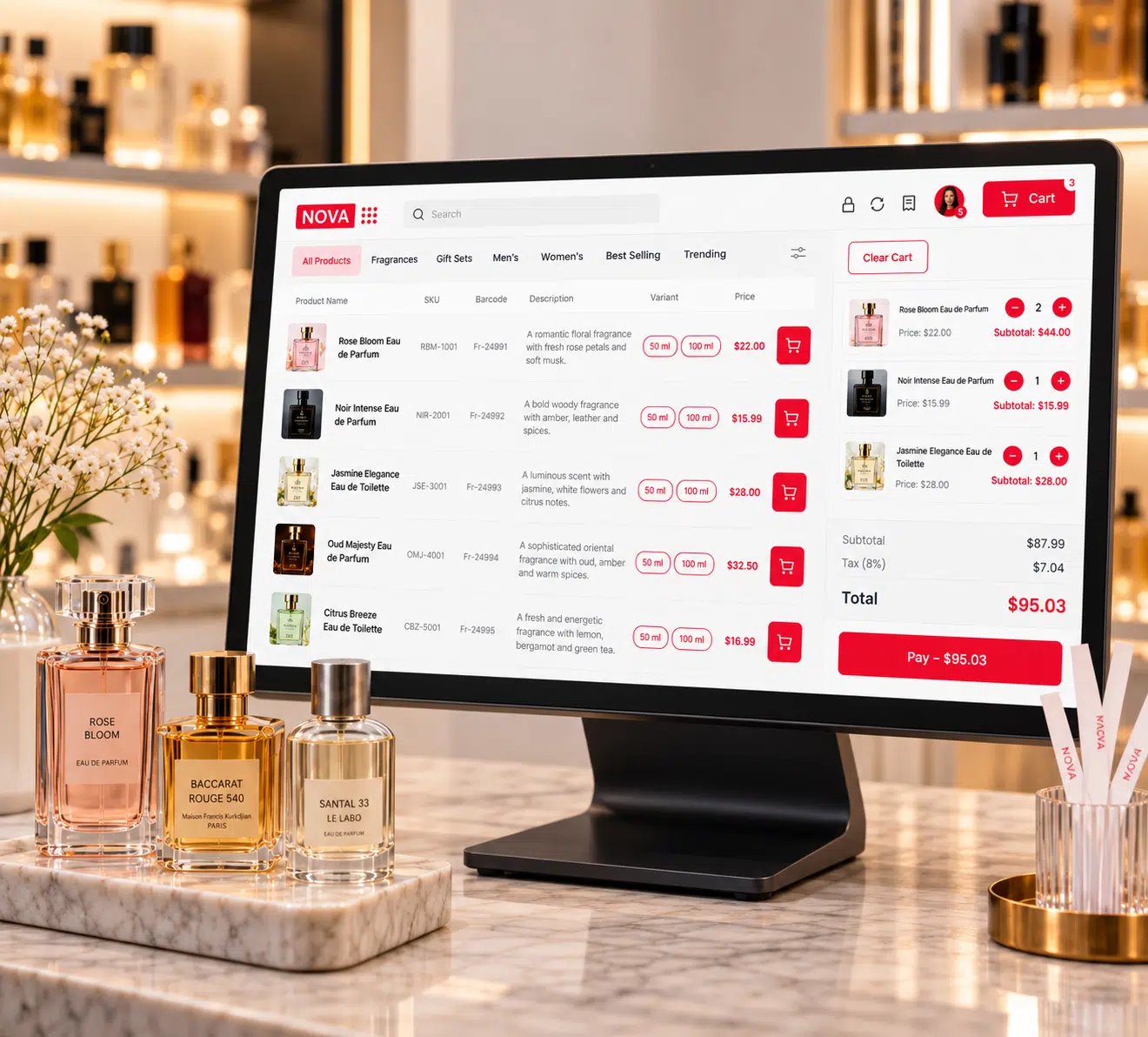
NOVA POS connects inventory, sales, reporting, and employee activity in one unified platform, giving retailers the visibility and control needed to reduce shrink, strengthen accountability, and protect profitability.
Ready to gain greater control over your retail operations?